Building MVPs for free and being ready for the future
Preramble: I have been building MVPs for a long time, and I have always been cost conscious. I have built MVPs that are ready for the future, and I have built MVPs that are not. In this post, I will share my experience of building MVPs for free and being ready for the future.
What is an MVP?
An MVP, or Minimum Viable Product, is a product with just enough features to satisfy early adopters and provide feedback for future development. The goal is to validate the product idea with minimal resources and time investment. In essence - build something quickly to test the market.
Why build MVPs for free?
Building MVPs for free is about minimizing risk and maximizing learning. By keeping costs low, you can:
- Test ideas without financial pressure: You can experiment with different concepts and features without worrying about burning through a budget.
- Iterate quickly: You can make changes based on user feedback without the constraints of a large investment.
- Focus on core functionality: You can concentrate on the essential features that solve the problem for your users, rather than getting bogged down in unnecessary details.
How to build MVPs at a low cost
Keeping costs low while building the MVP; but importantly keeping the next steps in mind.
Use serverless architecture
Keeping serverless in mind when building from the get go not only will help keep costs low but also allow you to go from something like a small lambdalith to a fully distributed event driven system with 1000s of lambdas.
1. Leverage free tiers
Many cloud providers offer free tiers for their services, which can be a great way to get started without incurring costs. For example, AWS Lambda allows you to run code without provisioning servers, and it has a generous free tier that can handle a significant amount of traffic.
2. Use Scalable Databases
Using scalable databases like DynamoDB can help ensure that costs stay zero and that your data storage can grow with your application. These databases automatically scale based on demand, so you only pay for what you use.
3. Implement DDoS protection
Implementing DDoS protection from the start can save you from costly downtime and security breaches. Using services that natively can handle DDoS protection such as cloudfront. Ontop of that, implement rate limiting and WAF rules to throttle and protect your APIs.
4. Monitor and optimize
Monitoring your application and optimizing it for performance can help reduce costs. Use tools like AWS CloudWatch to track usage and identify areas for improvement. This can help you avoid unnecessary expenses and ensure that your application runs efficiently.
So in practice...
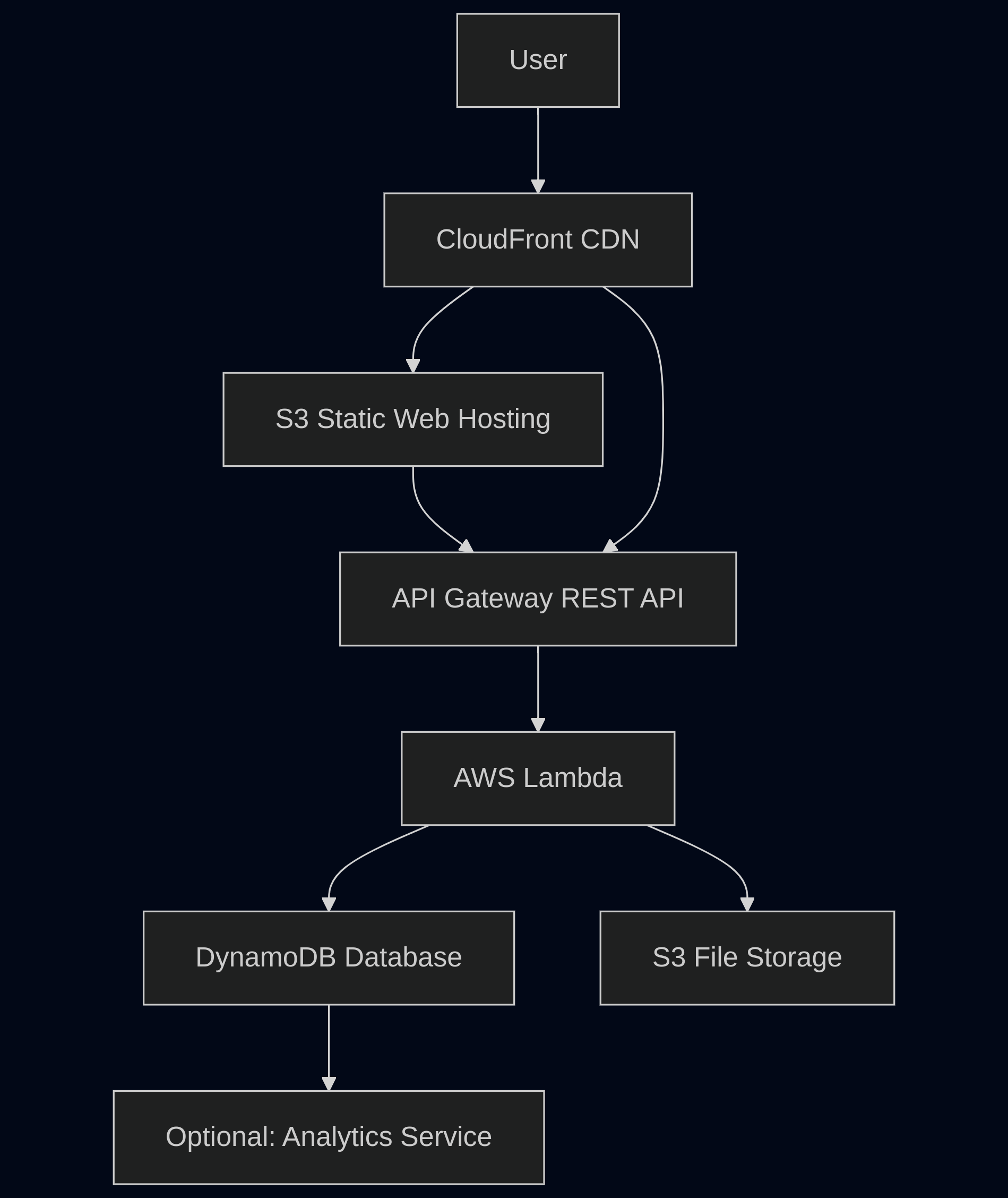
When I build an MVP, I start with a serverless architecture using AWS services such as API Gateway, Lambda, DynamoDB, Cognito, S3, and Cloudfront. I use the free tier for all services to keep costs to a minimum. I also implement DDoS protection using AWS CloudFront and WAF rules to protect my APIs. I monitor my application using AWS CloudWatch to track usage and identify areas for improvement. Funny enough, initially my biggest cost ends up being my domain.
Drawbacks
While building MVPs for free has many advantages, there are some drawbacks to consider:
- Limited features: Free tiers often come with limitations on usage, which can restrict the features you can implement in your MVP.
- Complexity: Serverless architectures can be complex to set up and manage, especially if you're new to cloud services.
- Vendor lock-in: Relying on specific cloud providers can lead to vendor lock-in, making it difficult to switch providers or migrate to a different architecture later on.
Conclusion
Building MVPs for free is a smart strategy that allows you to validate your ideas without financial pressure. By leveraging serverless architecture, free tiers, and scalable databases, you can create a product that is not only cost-effective but also ready for future growth. While there are some drawbacks to consider, the benefits of building MVPs for free far outweigh the challenges. By focusing on core functionality and iterating based on user feedback, you can create a successful product that meets the needs of your users.